











You’ve worked tirelessly to earn your keep in the company, and you’ve built a record of success, both for the firm and personally. You’re on your way up: entering the peak earning years that are crucial for building long-term wealth. However, your newfound financial success isn’t necessarily like a weather-proof edifice, anchored permanently in the landscape. Instead, it’s more like a thriving, growing plant: to remain healthy, it requires careful tending and protection from conditions that could threaten it.
Your Career Acceleration Years
Sound financial planning for executives who are experiencing rapid income growth involves both proactive wealth-building measures and avoidance of some common pitfalls. Let’s take a look at some things you need to be thinking about—and some things you need to avoid—in order to leverage your current success into long-term financial security for you and your family.
Lifestyle Inflation and How to Avoid It
There’s nothing at all wrong with enjoying the fruits of your accumulating success. But at the same time, it’s common for high-earners to fall victim to lifestyle inflation: lax spending habits that can slowly erode your long-term financial well-being if they are not managed wisely. Lifestyle inflation is the tendency to increase spending as your income rises, and it can lead to several outcomes that can sabotage your long-term financial security. It can lead to financial challenges including inability to build wealth (i.e., undisciplined spending on non-wealth-producing items), excessive debt, and financial stress.
Avoiding lifestyle inflation is mostly a matter of establishing or maintaining a few common-sense good habits:
- Define Your Financial Goals: Identify your long-term financial goals, such as funding your children’s education or saving for retirement. Having a clear vision of what you want to achieve will help you stay focused and make smart financial decisions today that support those goals.
- Develop a Budget: Create a budget that accounts for your income, expenses, and savings and investments. Allocate a portion of your income towards debt repayment, savings, and investments, and limit discretionary spending to a reasonable percentage.
- Automate Your Investments: Set up automatic transfers (i.e., payroll deduction) to dedicated investment accounts and company-sponsored plans like 401(k)s. This helps you consistently put money aside before the temptation to inflate your lifestyle arises.
- Resist Lifestyle Creep: Be mindful of your spending habits and resist the urge to keep up with the lifestyles of your friends and colleagues. Differentiate between wants and needs and focus on what truly brings you happiness.
- Prioritize Debt Repayment: Establish a plan to aggressively pay off or otherwise control your debt.
Taking Advantage of Opportunities
After avoiding lifestyle inflation and similar pitfalls, the next major tactic for wealth-building is taking advantage of the opportunities afforded successful executives by thriving companies. As a rising leader, you may have access to company-sponsored retirement plans like 401(k)s or executive compensation packages that could include company stock, stock options, or deferred compensation. These present major wealth-building opportunities, and systematic participation now, coupled with years of opportunity for compounding and growth, can add up to significant resources available for future financial objectives.
Executive Compensation, Company-Sponsored Plans, and Your Financial Strategy
In previous articles, we’ve covered the basics of executive compensation plans like equity compensation (stock and stock options) and deferred compensation. Successful executives have opportunities to leverage participation in these and similar plans for accelerated wealth-building. But at the same time, managing these for controlled risk and tax efficiency requires some advance planning and commitment.
For example, you may wish to maximize your contribution to your company’s 401(k) or other retirement plan. You may have the option of contributing to a Roth 401(k) as well as a traditional 401(k), funding them with a combination of aſter-tax and pre-tax dollars throughout your career. By thus diversifying the character of your tax-advantaged accounts, you may be able to create a more tax-efficient withdrawal plan for funding your retirement.
Your company might also offer a nonqualified deferred compensation plan, which lets you defer part of your salary until retirement (or another predetermined future date), thus postponing tax liability. This helps to create a disciplined savings program and can provide a lump sum or a series of payments to provide cash flow in future years. During the distribution period, those funds could allow other retirement investments to grow and help you delay withdrawals, providing more opportunities for compounding growth.
As executives move into higher tax brackets, proper tax planning becomes more strategic and impactful. What you keep after taxes matters as much as what you earn. Managing your equity compensation and avoiding the risk of concentrated wealth also requires a strategic approach tailored to your specific needs. As you acquire more vested company stock and stock options, you will need a plan that balances your need for liquidity, diversification, and tax-efficiency (i.e., avoiding excessive capital gains taxation on appreciated stock).
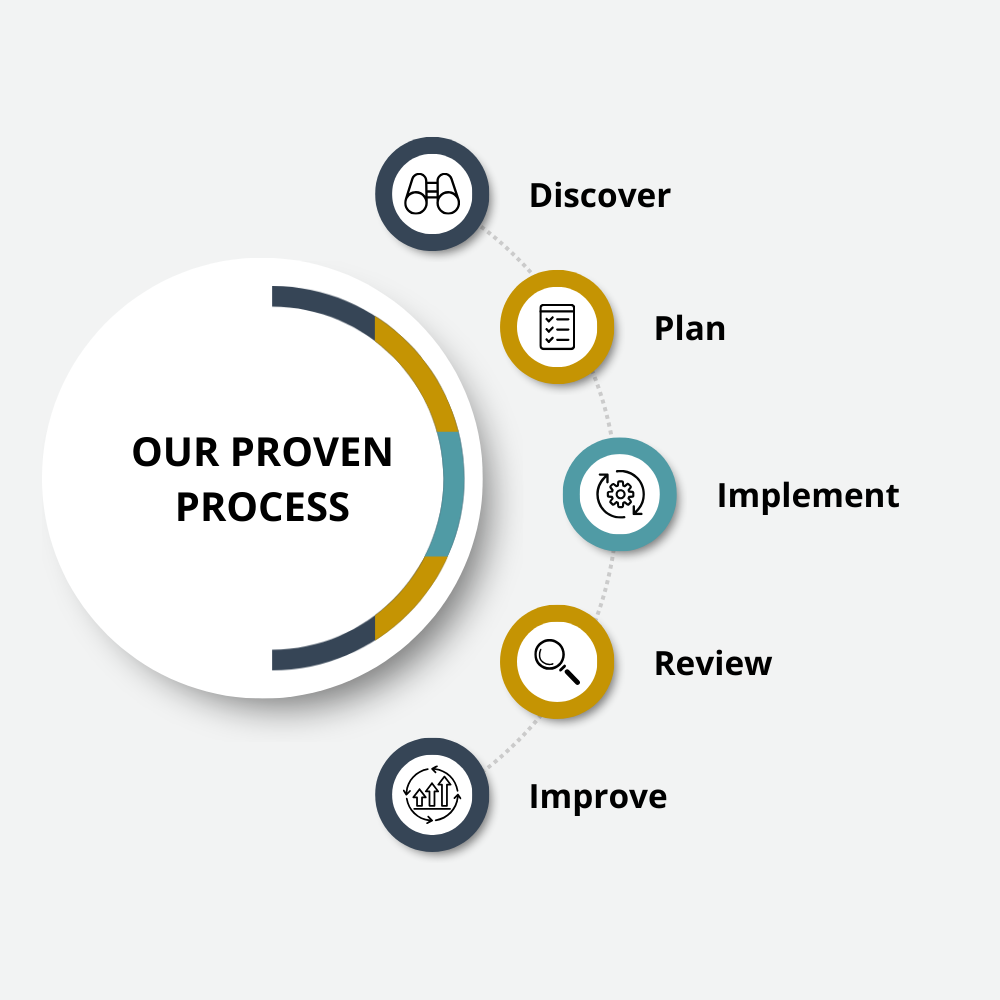
At JFS Wealth Advisors, we work with successful executives to design financial plans that can bridge from the years of accelerating growth to provide for a secure financial future. Eventually, the time will come for de-linking your financial wellbeing from that of the company. Careful planning and disciplined saving and investing now can better prepare you for that eventuality. If we can help you build a plan, please let us know.